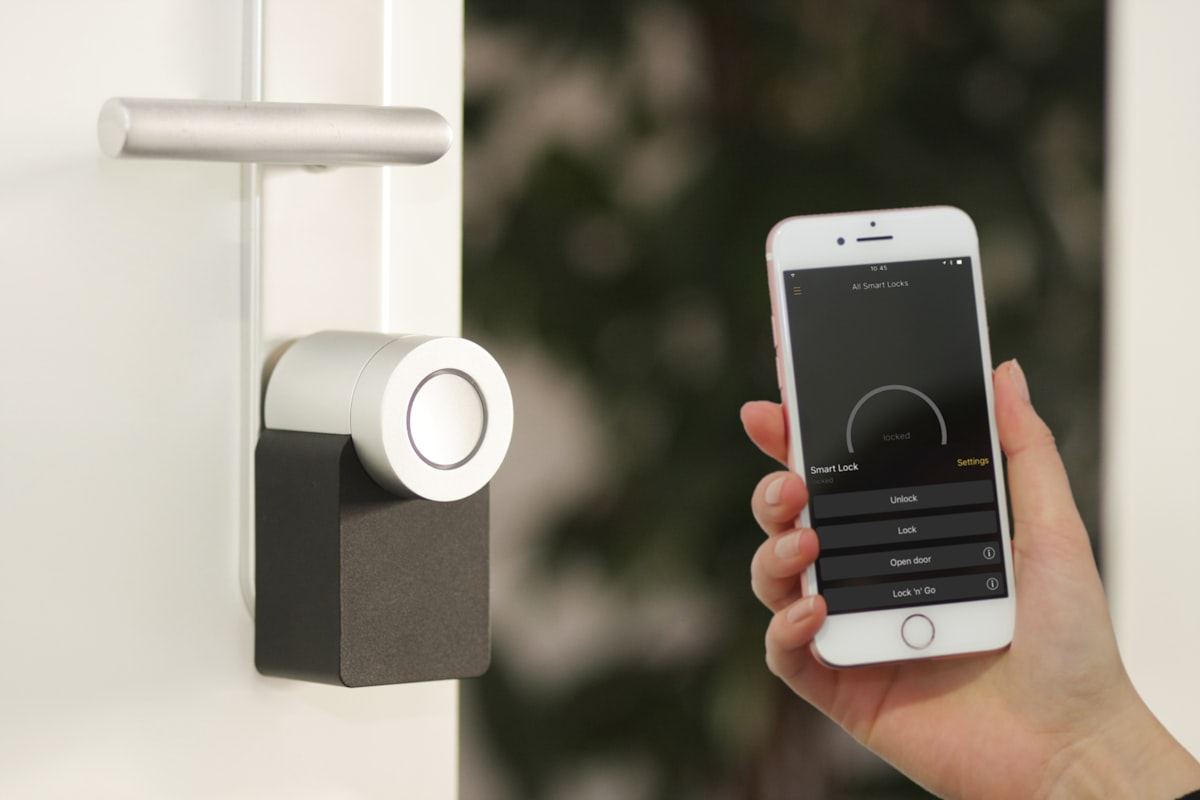
Greenwich CT home entrance with discreet alarm keypad and security signage

Greenwich CT Alarm Permit Guide: Registration, Fees & False Alarm Rules (2026)

Rolo Electronics Team9 min read

Last updated:

Quick Answer — The Greenwich Alarm Ordinance

Every monitored alarm system in Greenwich, CT must be registered with the Greenwich Police Department under the town’s alarm ordinance. The annual permit fee is $25–$50 in 2026, and false alarms above the free-response threshold carry fines of $50–$500 per incident. Security cameras without an alarm panel do not require a permit.

The goal of the ordinance isn’t revenue — it’s reducing false dispatches. Greenwich PD responds to thousands of false alarms per year, and the fee schedule is designed to push residents and alarm companies toward properly-configured systems.

If you’re installing a new system, registration is something your alarm company should handle on your behalf. If you inherited a system from a previous homeowner, you’re responsible for re-registering within 30 days of signal activation.
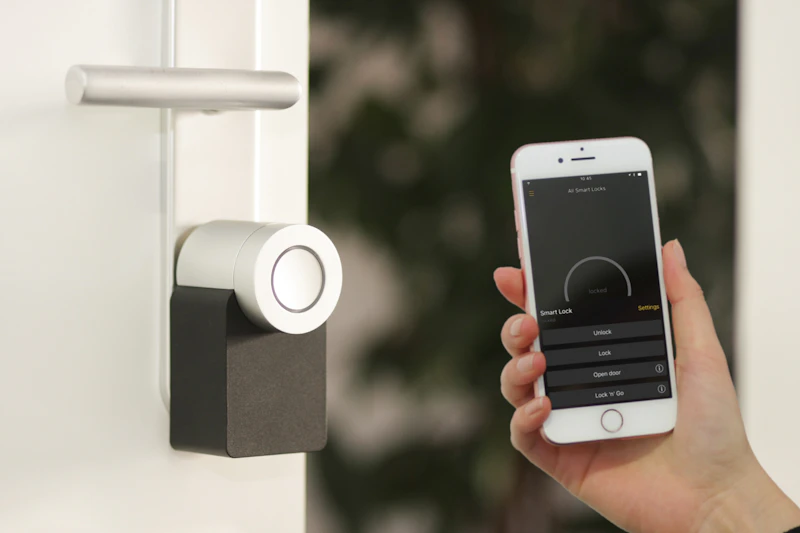

Greenwich CT residential alarm keypad and sensor near front entry

Who Needs an Alarm Permit in Greenwich?

You need a Greenwich alarm permit if any of the following applies:

  • You have an alarm panel (ADT, Vector, Honeywell, DSC, Bosch, etc.) that communicates with an off-site monitoring station
  • Your system is configured to automatically contact Greenwich Police, Fire, or EMS
  • You have a panic button, duress code, or medical alert that dispatches first responders
  • You operate a business in Greenwich with any form of monitored intrusion or holdup alarm

You do not need a permit if:

  • Your system is camera-only (recording locally with no alarm panel)
  • Your alarm only makes noise and never contacts a monitoring center
  • You use Ring or SimpliSafe without the optional professional monitoring subscription

Unsure which category you fall into? If your alarm company can dispatch police on your behalf, you’re in category 1 and need to register.

How to Register Your Alarm With Greenwich Police

Registration takes 15–20 minutes and can be done online or in person. Here’s the process:

  1. Visit the Greenwich PD website and look for "Alarm Registration" under the Services or Records division. The town also accepts mailed applications.
  2. Complete the alarm registration form — you’ll provide: property address, type of alarm (burglar, fire, holdup, medical), name of monitoring company, monitoring company phone number, and at least two emergency contacts authorized to enter the property and cancel false alarms.
  3. Pay the annual fee — $25–$50 depending on residential vs. commercial and system type. Paid by check, credit card, or money order.
  4. Receive your permit number — provide this to your monitoring company so it appears on every dispatch.
  5. Renew annually — most permits renew on a calendar-year basis. Some carry rolling 12-month expirations based on registration date.

We handle the paperwork as part of every monitored install we do in Greenwich. If you’re working with a different company, make sure they’re filing on your behalf, not simply mentioning the permit exists.

2026 Greenwich Alarm Permit Fees

Representative current fees for Greenwich, CT (always confirm with Greenwich PD for your specific situation):

Permit Type2026 FeeRenewal
Residential burglar alarm$25Annual
Residential fire alarm$25Annual
Commercial burglar alarm$50Annual
Commercial fire alarm$50–$100Annual
Holdup/panic (commercial)$50Annual

Fees are set by the Greenwich Board of Selectmen and adjusted periodically. Always confirm current pricing at the time of registration.

False Alarm Penalty Schedule

Greenwich allows a small number of free false alarms per calendar year, then fines escalate. The exact schedule used in recent years:

False AlarmResidential FineCommercial Fine
1st & 2nd (per year)$0 — warning$0 — warning
3rd false alarm$50$100
4th false alarm$100$200
5th false alarm$250$300
6+ false alarms$500 each$500 each

Additionally, after a certain number of false alarms in a calendar year, Greenwich PD reserves the right to suspend response to your property until you provide evidence the system has been inspected and corrected.

What Counts as a False Alarm?

Greenwich defines a false alarm as any alarm activation that dispatches police, fire, or EMS where no criminal activity, fire, or emergency actually occurred. Common causes:

  • User error — homeowner, cleaning staff, or family member entering the wrong disarm code (accounts for ~70% of false alarms)
  • Pet motion sensors — pets over 40 pounds triggering motion detectors not rated pet-immune
  • Low battery — wireless sensors dropping offline or sending supervisory fail signals
  • Open door/window sensors from weather — wind rattling old French doors or gusts pushing sliders against magnets
  • Power outages — panels rebooting and sending activation signals during restoration
  • Poorly-aimed glass-break sensors — TV speakers, kitchen glassware, or delivery drivers triggering audio sensors

Alarms that are not counted as false: weather events (lightning damage, tree through window), documented break-ins, signals canceled within the abort period, or alarms resulting from equipment malfunction confirmed by a licensed technician.

How to Avoid False Alarm Fines

The practical playbook for Greenwich homeowners:

  • Train everyone who has the code — spouse, housekeeping, landscapers who have key access, pet sitter. Most user-error alarms come from non-residents with the disarm code.
  • Use pet-immune sensors rated for your largest pet by weight. Standard motion sensors will false on any dog over 30 lbs.
  • Replace sensor batteries annually — don’t wait for the low-battery signal. Replace window/door transmitters every 2–3 years.
  • Request cellular-only communication — IP-based dialers false during cable/fiber outages. Cellular + IP dual-path is the industry standard.
  • Ask your monitoring center for verified response — they should call 2 contacts and attempt video verification (if supported) before dispatching police. This alone reduces false dispatches by ~40%.
  • Schedule annual service — a certified technician tests every sensor, re-aims motion detectors, and replaces anything near end-of-life. About $150–$250 per visit, which pays for itself after one prevented $500 fine.

Do Security Cameras Need a Permit in Greenwich?

Standalone security cameras do not require a Greenwich alarm permit. Camera systems — whether Ring, Hikvision, Nest, or a full professional NVR install — are treated as surveillance equipment, not alarm systems, unless they’re integrated with a monitored panel that can dispatch police.

What you do need to comply with for cameras:

  • Connecticut wiretapping law — audio recording without consent can be a criminal offense in CT (a two-party consent state). Disable audio on cameras facing public areas or post signage.
  • Zoning/aesthetics — some Greenwich historic districts limit exterior camera placement and conduit visibility. Check with the Greenwich Historic District Commission for homes in designated districts.
  • Neighbor privacy — cameras should not record adjacent private property where a reasonable expectation of privacy exists (into neighbor’s windows, pool area, etc.). Field-of-view should be limited to your own property.

For more on camera selection, see our best cameras for Greenwich guide.

What Happens If You Don’t Register?

Operating an unregistered monitored alarm in Greenwich can trigger:

  • $100–$200 fine for first-time unregistered alarm activation
  • Full cost of police response billed to the homeowner (typically $150–$400 per dispatch)
  • Suspension of police response to your address until you register and pay back fees
  • For commercial properties, possible notification to business license authorities

Your alarm monitoring company is not required to know whether you’re registered — they’ll dispatch regardless. The homeowner is solely responsible for registration and any resulting fines.

Greenwich Alarm Permit FAQ

Do I need to re-register if I change monitoring companies?

Yes. You should update Greenwich PD within 10 days of switching monitoring providers so the new company’s phone number is on file.

What if I move to a different address in Greenwich?

The permit is tied to the property, not the owner. You’ll need to register the new address. The old permit transfers to the new owner only if they maintain the alarm service.

Does my security camera system count as an alarm?

No — cameras alone don’t require a permit. Only systems with a monitored alarm panel that can dispatch police require registration.

Can Rolo Electronics handle the registration for me?

Yes. As part of every monitored alarm install, we complete and file the Greenwich PD registration on your behalf. You receive the permit number once issued. Call (914) 247-9506 or book a free consultation to start.

What if my system false-alarms during an actual break-in attempt?

If Greenwich PD confirms signs of forced entry, attempted entry, or criminal activity at the scene, the activation is not counted as a false alarm — even if the intruder fled before officers arrived.

Sources

Need expert advice? Get a free consultation.

Licensed installers in CT & NY — no obligation.

Related Articles

Back to all articles
Need help? Text us!